
Understanding alcohol’s role in weight and health
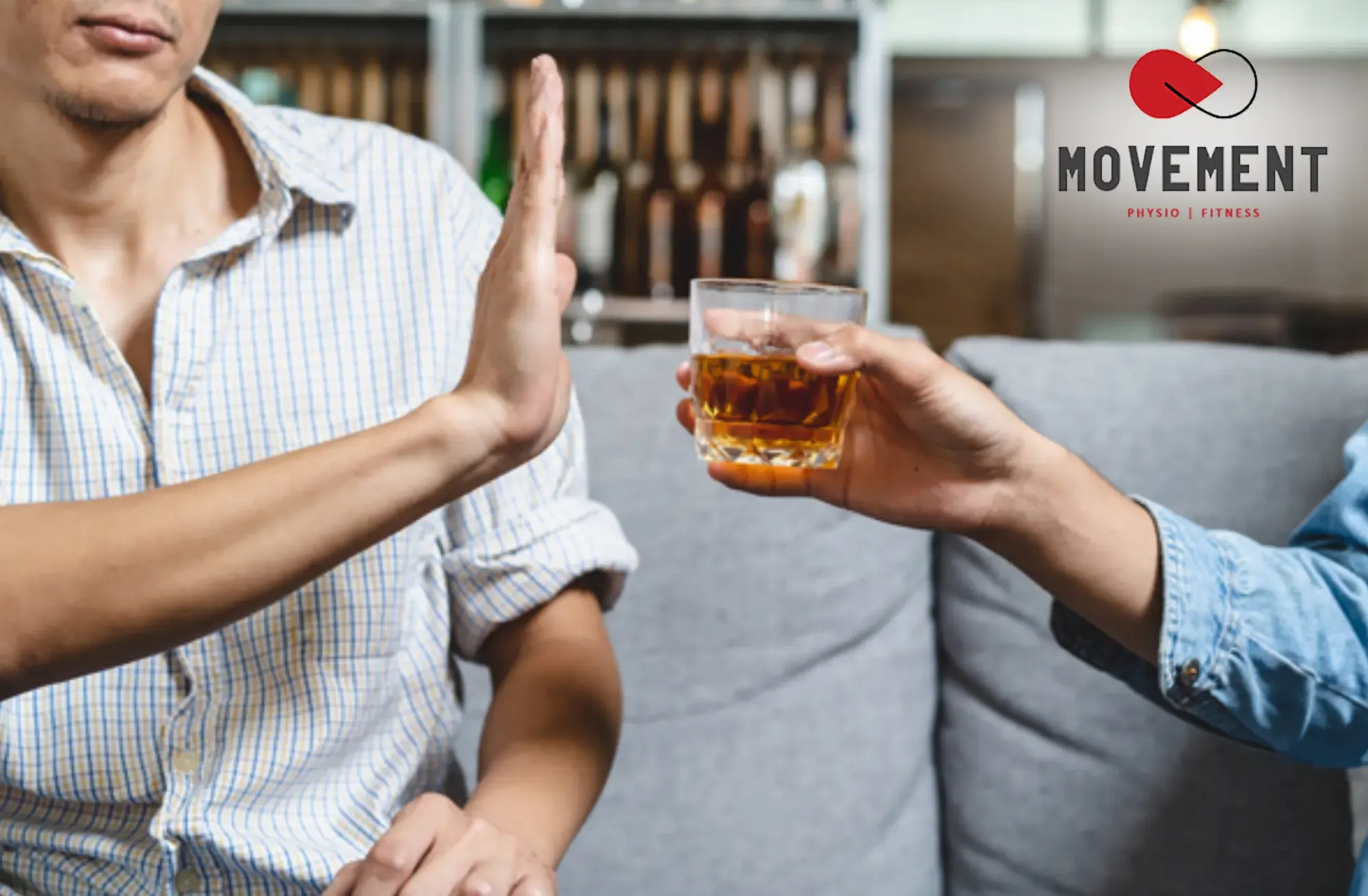
Alcohol consumption, a deeply ingrained social habit across cultures, often underestimates its effects on body weight. However, understanding these effects is crucial for effective weight management. While enjoying a drink occasionally is part of many social norms, the caloric impact and the biochemical effects of alcohol on the body can complicate efforts to manage weight effectively. By being aware of these effects, you can make informed choices about your alcohol consumption, empowering you in your weight management journey.
1. Caloric content and empty calories: Alcohol provides substantial calories without essential nutrients. For example, ethanol has a caloric value of approximately seven calories per gram, almost as high as fat. A standard drink, whether beer, wine, or spirits, typically contains anywhere from 100 to 300 calories, depending mainly on the type and the serving size. These calories are considered ’empty’ because, unlike food, alcohol provides no nutritional benefits such as vitamins or minerals.
2. Metabolic disruption caused by alcohol: Alcohol metabolism has a priority in the digestive system. The presence of alcohol diverts the liver’s attention from processing fats and carbohydrates to eliminating alcohol from the bloodstream. This shift can lead to increased fat storage, particularly visceral fat around the abdominal area, linked to metabolic disturbances.
3. Liver health and alcohol: Chronic alcohol consumption can lead to alcoholic liver disease, which progresses from fatty liver to hepatitis and, potentially, to cirrhosis. The liver’s compromised ability to handle fats results in accumulation, affecting liver function and disrupting overall metabolic stability, increasing the risk of obesity and diabetes.
4. Impact on hormones and weight regulation: Alcohol affects several hormonal pathways:
- Insulin Sensitivity: Alcohol can alter the body’s response to insulin, potentially leading to higher blood sugar levels and more excellent fat storage.
- Testosterone: In men, excessive alcohol intake can reduce testosterone levels, which is crucial for muscle maintenance and fat metabolism.
- Cortisol: Alcohol increases cortisol production, a hormone that promotes fat storage, particularly in the abdominal region.
- Leptin: Alcohol may interfere with leptin, a hormone regulating hunger and energy balance, leading to increased appetite and weight gain.
5. Appetite and dietary choices: Alcohol consumption can increase appetite and lower inhibitions, leading to poor dietary choices. High-calorie, greasy, or sugary foods become more appealing when under the influence of alcohol, compounding the caloric surplus and nutritional deficiencies.
6. Sleep and recovery: While alcohol might initially promote sleepiness, it severely disrupts the sleep architecture, particularly the REM cycle. Poor sleep quality affects cognitive function, mood, and hormonal balance, further complicating weight management.
Strategies for responsible alcohol consumption in a weight management plan
- Choose lower-calorie options: Spirits mixed with zero-calorie beverages, light beers, and dry wines are better choices than sugary cocktails or heavy beers.
- Control consumption: Setting a limit before beginning to drink can help keep your intake in check. Monitoring and moderating your drinking can prevent many of the negative health impacts associated with alcohol.
- Hydration: Drinking water before, during, and after alcohol consumption helps to maintain hydration and reduce overall alcohol intake.
- Complement with healthy habits: Engage in regular physical activity and maintain a balanced diet to offset some of the caloric inputs and metabolic impacts of alcohol.
Conclusion: Navigating alcohol in your diet
Incorporating alcohol into a healthy lifestyle requires understanding its broad and nuanced effects on the body by making informed choices about how much to drink, what to drink, and when you can enjoy social events without compromising your health goals. Balancing alcohol intake with healthy eating habits and regular physical activity is essential for long-term wellness and effective weight management. By following these strategies, you can feel equipped and prepared to navigate alcohol in your diet.
Does Kinesiology Tape work?
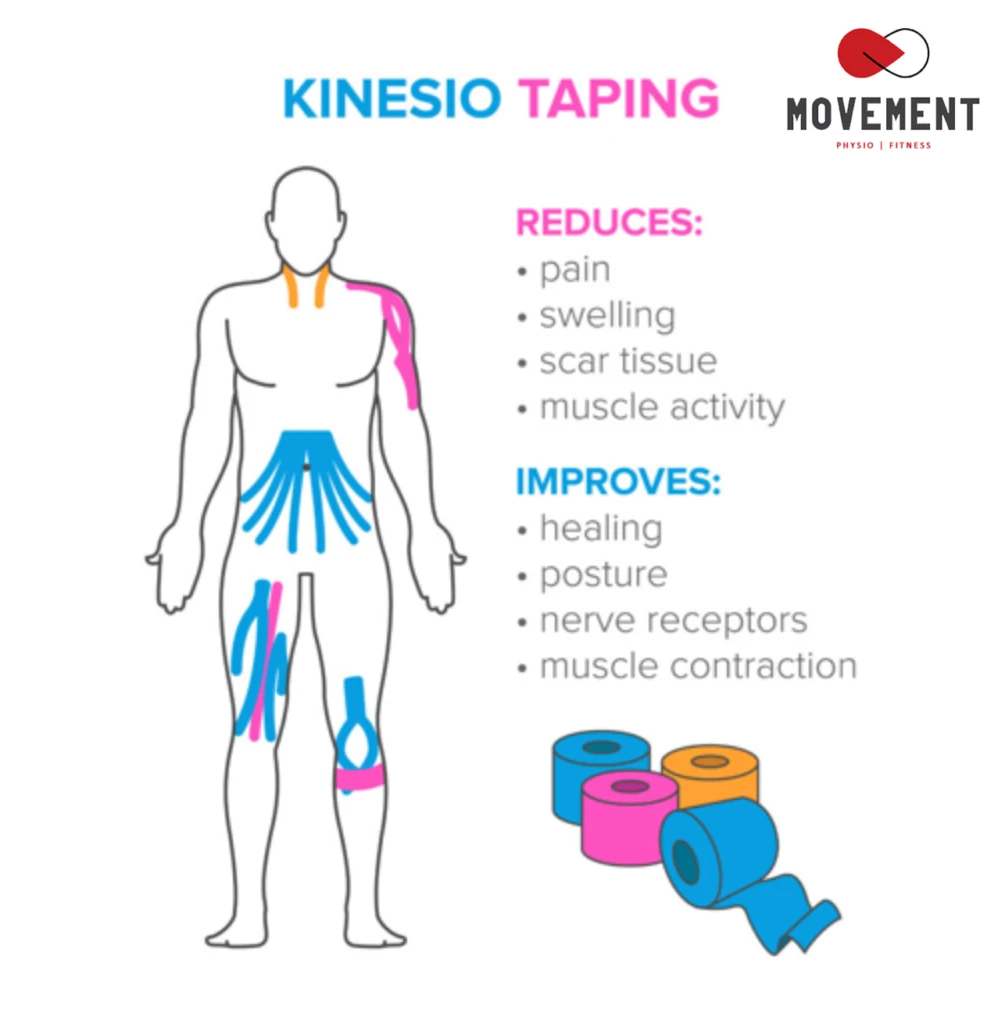
The effectiveness of kinesiology tape is a topic of ongoing debate. While some individuals report significant benefits, scientific research has yet to conclusively support its efficacy. Current studies offer a mixed bag of results, with some showing no significant difference between kinesiology tape and placebo treatments, such as sham taping. Other studies have observed only minimal or moderate improvements. It’s important to note that kinesiology tape may be most effective when used in conjunction with other conventional treatment methods, suggesting that it’s best viewed as part of a broader therapeutic strategy.
Enhanced effectiveness: Evidence suggests that kinesiology tape tends to be most effective when used in conjunction with other conventional treatment methods. This means that while the tape can provide some benefits, it truly shines as part of a comprehensive therapeutic strategy, giving you confidence in its potential.
Use with caution: Kinesiology tape is not a one-size-fits-all solution. It’s important to be aware of specific situations where applying kinesiology tape could be harmful, ensuring your safety and well-being.
Kinesiology tape is not suitable for everyone or all conditions. There are specific situations where applying kinesiology tape could be harmful:
- Open wounds: Placing tape over open wounds can obstruct healing and increase the risk of infection or further skin damage.
- Deep Vein Thrombosis (DVT): For those with DVT, increasing fluid flow might cause a blood clot to move, potentially leading to life-threatening conditions.
- Active cancer: Enhancing blood supply to an area with cancerous growths can accelerate growth and spread, posing severe health risks.
- Post-Lymph node removal: In cases where lymph nodes have been surgically removed, applying tape can lead to problematic swelling due to improper lymphatic drainage.
- Diabetes: Diabetic individuals often have reduced sensation, which could prevent them from noticing adverse reactions to the tape.
- Allergy to adhesives: People with allergies to adhesive materials might experience severe skin reactions.
- Fragile skin: Taping could lead to tears or further injury for delicate or easily damaged skin.
How to apply Kinesiology Tape
Applying kinesiology tape correctly is crucial to achieving the best results and avoiding potential issues. It’s essential to consult a physical therapist with specific training in kinesiology taping before applying it yourself. Here’s a step-by-step guide to the process:
1.Consultation: Start by seeing a trained physical therapist. They can assess your needs and determine the best taping strategy for your condition.
2.Learning the Techniques: Your therapist will demonstrate how to apply the tape in patterns that best address your issue. Common taping patterns include X, Y, I, or fan shapes, chosen based on your therapeutic goals. Depending on your situation, you may need both stabilization and decompression strips.
3.Practice: Under the supervision of your therapist, practice applying and removing the tape. This will ensure that you can safely and effectively manage the taping.
4.Long-Term Strategy: Remember, as Dr. Megann Schooley advises, “Taping is not a permanent solution.” The ultimate goal is to build strength and address the underlying issue through physical therapy and exercises. Taping is just one tool to help along the way.
Following these steps ensures that the kinesiology tape is applied to maximize its therapeutic benefits. At the same time, you work on a long-term solution to your physical concerns.
How to safely remove Kinesiology Tape
If the tape has been on for more than a few days, it may start to loosen naturally. Here’s how to remove it gently:
1.Loosen the tape: Apply oil (such as baby or olive oil) or lotion over the tape to soften the adhesive.
2.Gentle removal: Slowly lift the end of the tape. Avoid pulling it off quickly or yanking it.
3.Technique for removal: Pull the tape away from the skin instead of pulling it back against itself while pressing down on your skin to ease the separation.
4.Support Your Skin: Use your other hand to gently compress the skin as you pull, and walk your fingers along to support the area.
5.Aftercare: If your skin shows signs of irritation or damage, refrain from reapplying tape and consult your physical therapist or doctor.
Following these steps will help you apply and remove kinesiology tape effectively, maximizing its therapeutic benefits while minimizing discomfort or skin damage.
Will Kinesiology Tape harm my skin?
The adhesive used in significant kinesiology tape brands is typically latex-free and hypoallergenic, designed to minimize the risk of allergic reactions. However, even though these tapes are generally safe for most people, individual sensitivities can vary. To ensure that the tape does not irritate your skin:
- Test before complete application: It’s prudent to apply a small test strip to an area of your skin before using a more significant piece. This allows you to monitor for any adverse reactions without substantial risk.
Understanding Kinesiology Tape’s effectiveness
While the research on kinesiology tape’s effectiveness is still emerging, many users report beneficial outcomes such as increased support, enhanced circulation, reduced pain, and improved function in joints and muscles. However, here are a few things to keep in mind:
- Consult a professional: Always speak with a physical therapist before using kinesiology tape. A therapist can advise on whether the tape suits your specific condition and how to integrate it effectively with other treatment methods.
- Complementary treatment: Kinesiology taping is most effective with other therapeutic interventions. It should not be relied upon as a standalone treatment but as part of a broader rehabilitation program.
At Movement, our therapists are certified and specialized in Kinesiology Taping, so please feel free to contact us if you want to try it; we will take it from there.